
Ledger and accounts setup
Configure the chart of accounts, fiscal periods, currencies, accounting dimensions, cost centers, opening positions, and controlled journal entries around the agreed finance model.
Connect the general ledger, receivables, payables, invoicing, payments, VAT data, banking, budgets, and reporting to the transactions created by sales, purchasing, and stock teams.
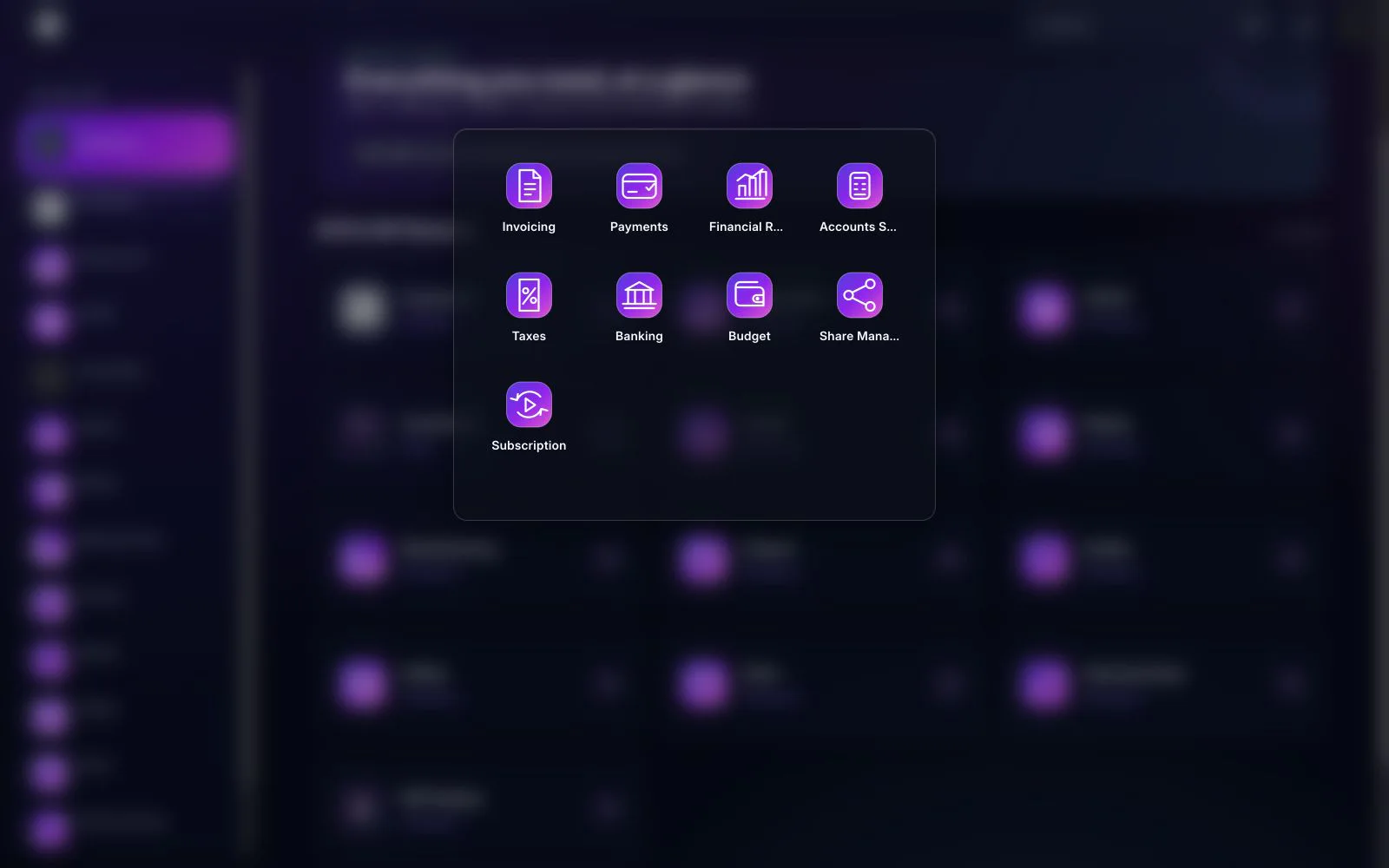
BITEX keeps finance connected to the source transaction, so accounting teams can review balances, documents, payments, taxes, and dimensions without rebuilding the story in separate files.
Configure the chart of accounts, fiscal periods, currencies, accounting dimensions, cost centers, opening positions, and controlled journal entries around the agreed finance model.
Connect customer and supplier invoices, credit activity, payment terms, outstanding balances, allocations, and aging views to the underlying sales and purchasing records.
Record receipts and payments, manage bank and cash accounts, allocate transactions, and complete reconciliation with clear references back to the originating documents.
Configure tax templates, line-level tax data, document totals, customer and supplier tax details, and the information needed by the agreed Saudi invoicing workflow.
Track budgets, cost centers, projects, and other configured dimensions so management reporting can explain performance beyond a single company-wide total.
Review the general ledger, trial balance, profit and loss, balance sheet, cash movement, receivable and payable aging, and supporting transaction detail.
Explore the verified BITEX workspaces that feed, control, and explain accounting activity.
Ledgers, invoicing, payments, banking, budgets, taxes, and financial reports.
Customer orders, deliveries, invoices, payments, and order-to-cash activity.
Supplier orders, receipts, invoices, approvals, and purchase-to-pay activity.
Warehouse movements, valuation context, batches, serial numbers, and stock controls.
Configurable Saudi e-invoicing data, validation, status, and integration-ready workflows.
A finance rollout should prove the chart of accounts, master data, opening balances, tax setup, approval controls, connected workflows, and management reports before operational go-live.
Map legal entities, the chart of accounts, dimensions, tax treatments, approval controls, bank processes, reporting expectations, and the systems that supply finance data.
Set up the agreed finance model, clean customers and suppliers, prepare opening positions, define roles, and configure connected sales, purchasing, and stock workflows.
Load the approved scope, reconcile control accounts and opening balances, test representative transactions, and investigate every material difference before acceptance.
Run user acceptance, complete a trial period close, validate financial and operational reports, train role-based users, and move to production with documented support.
Clear answers to help you evaluate fit, scope, and the next step.
Evaluate the chart of accounts, receivables and payables, VAT and invoice data, banking, reconciliation, dimensions, period controls, Arabic and English use, reporting, permissions, migration, and how finance connects to sales, purchasing, and stock.
Migration can include the agreed customers, suppliers, accounts, dimensions, opening balances, and selected transaction history. The source data must be cleaned, mapped, approved, and reconciled before go-live.
Yes. BITEX can connect order-to-cash, purchase-to-pay, inventory movements, invoices, payments, taxes, and accounting entries so finance can trace balances to the operational source.
BITEX supports multiple companies and configurable accounting dimensions such as cost centers. The final structure, permissions, and consolidation or reporting approach are defined during implementation.
No blanket guarantee is appropriate. BITEX supports configurable VAT data and ZATCA-ready invoice workflows, while the final setup must be validated for each legal entity, applicable requirements, invoice scenarios, and implementation scope.
At minimum, validate the general ledger, trial balance, profit and loss, balance sheet, cash movement, receivable and payable aging, tax reports, bank reconciliation, and the management reports your team uses to close a period.
Tell us your priorities and we’ll prepare a focused walkthrough for your operations, teams, and requirements.