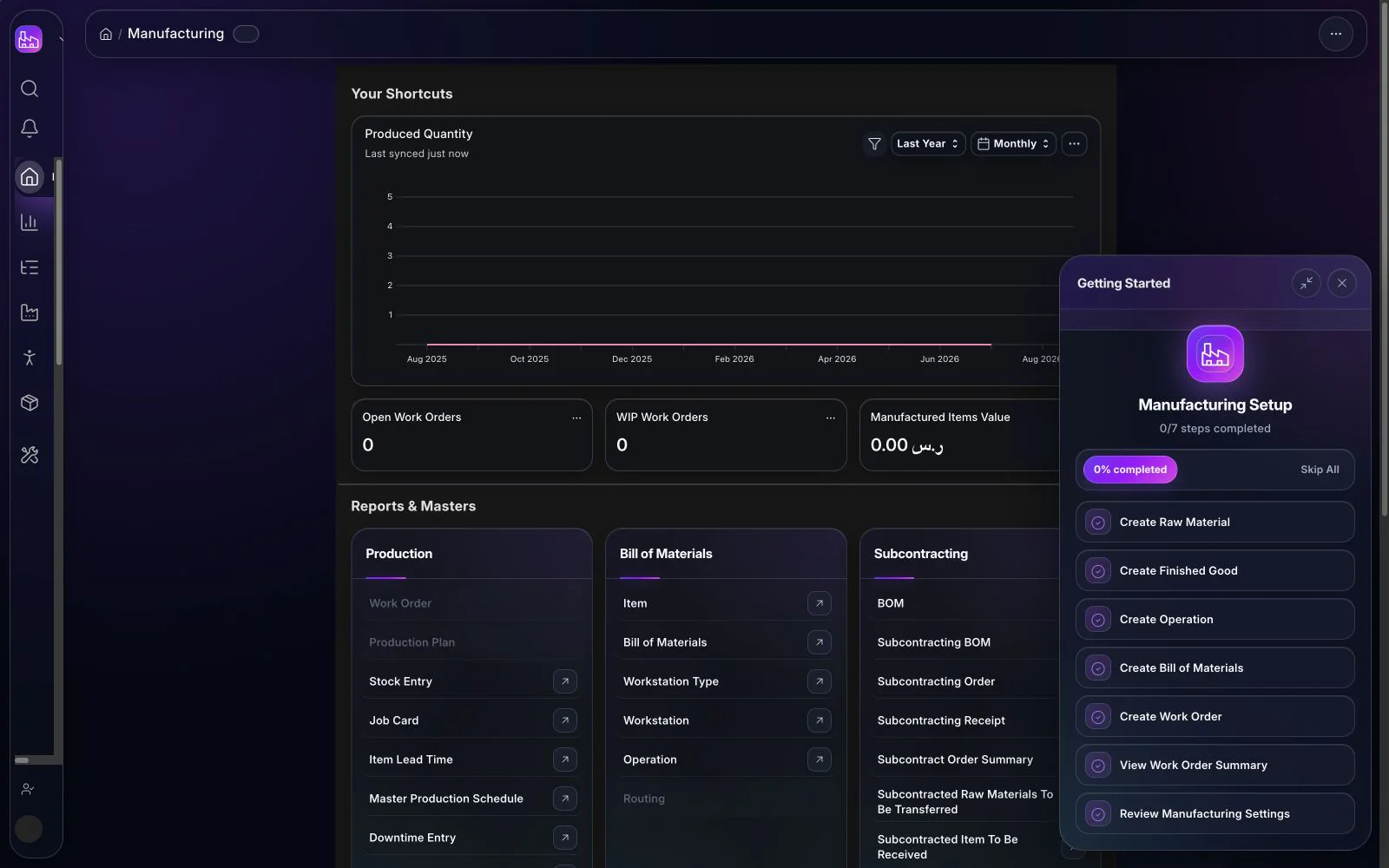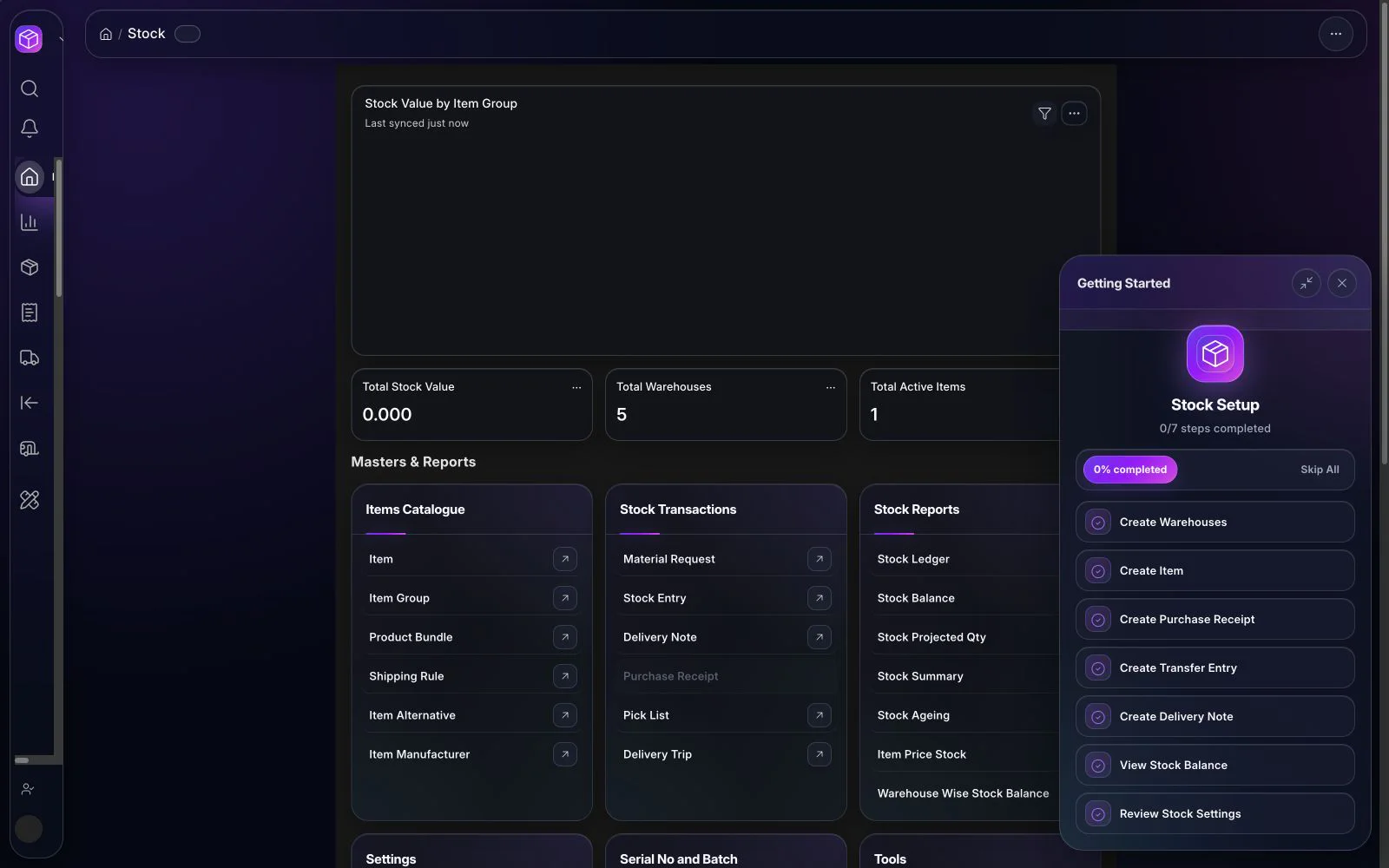

The best way to choose a supplier is to compare comparable quotations side by side, against the original need, before any purchase order is issued. In BITEX, supplier quotations are linked to the request that triggered them, so the comparison stays tied to evidence rather than memory. This is part 2 of our Procure to Pay series, following Material Requests: Where Controlled Purchasing Begins.
Why quotations deserve a formal step
When a buyer phones one familiar supplier, the business never learns whether a better offer existed. A formal request for quotation gives every invited supplier the same item list, quantities and required date, so the answers can be compared fairly.
It also protects the buyer. If someone later asks why a supplier was chosen, the answer is in the record, not in a chat thread.
From material request to request for quotation
The approved material request is the natural source. Its items, quantities and dates carry into the request for quotation, so nobody retypes the need and introduces mistakes. The Buying workspace supports turning requirements into requests for quotation and comparable supplier offers, as described on the Purchasing and Procurement feature page.
- Invite more than one supplier whenever the item allows it.
- Send identical specifications and the same required date to each.
- Record each supplier's reply against the same request so it can be compared.
What to compare besides price
The lowest unit price is not always the lowest cost. A fair comparison looks at everything that affects what the business really pays and receives.
| Criterion | Question to ask |
|---|---|
| Unit price | Is it quoted for the same unit and quantity as the request? |
| Delivery date | Does it meet the required date on the request? |
| Payment terms | When must the business pay, and are there conditions? |
| Taxes | Is the offer shown before or after 15% VAT, consistently across suppliers? |
| Supplier history | How did earlier orders perform on delivery and quality? |
BITEX lets teams review supplier history, pricing, delivery and quality context, so the last row of this table is not a guess. Quality inspection records, described on the Quality Management feature page, add evidence about earlier receipts.
Choosing and recording the decision
Once offers are compared, select the supplier and keep the reason with the record: price, speed, terms or reliability. Where the company requires it, route the decision for approval; BITEX supports workflow automation for approvals, assignments and notifications.
A quotation is an offer, not a commitment. The commitment starts only when a purchase order is issued.
The selected quotation then becomes the basis of the purchase order, which we cover in the next part of the series. Because the order refers back to the quotation and the original request, the whole chain stays traceable.
Frequently asked questions
How many suppliers should be invited?
That is a company policy. More invitations give a better comparison, but some items have only one realistic source, and the record should say so.
Can the cheapest quotation be rejected?
Yes, if delivery, terms or reliability make it the weaker offer. The important point is to record the reason.
Is a quotation the same as a purchase order?
No. A quotation is the supplier's offer. A purchase order is the business's commitment to buy on agreed terms.
Next step
To see how requests, quotations and orders connect in your own purchasing process, book a BITEX demo. If stock shortages trigger your purchasing, also read Multi-Warehouse Inventory Management: A Practical Guide.
Related solution: Purchasing and procurement in BITEX ERP
Procure to Pay
- 1Material Requests: Where Controlled Purchasing Begins
- 2Comparing Supplier Quotations: Choosing a Supplier with Evidence

BITEX Editorial Team
ERP product and operations specialistsThe BITEX Editorial Team turns verified product knowledge and Saudi operating experience into practical guidance for finance and operations leaders.