
A material request is the starting point of controlled purchasing: it records what the business needs, who needs it and when, before anyone contacts a supplier. In BITEX, the request becomes the first link in a chain that continues through supplier quotations, the purchase order, receipt and the supplier invoice. This first part of our Procure to Pay series explains how to build that starting point properly.
Why purchasing should start with a request
Many purchasing problems begin before the purchase order. A manager asks a buyer by message, a warehouse runs short, and an order is placed without a record of the original need. Later nobody can explain why something was bought, who approved it or whether stock already existed.
A formal request gives every purchase a documented reason. It also lets the buyer group similar needs from different teams, which makes supplier conversations simpler.
What a good material request contains
- The item and quantity using the unit defined in the item master.
- The required date, so the buyer can judge urgency.
- The requesting department or project, so cost lands in the right place.
- The destination warehouse, so receipt is directed to the correct location.
- The purpose: purchase, transfer between warehouses, or issue for production.
Where requests come from
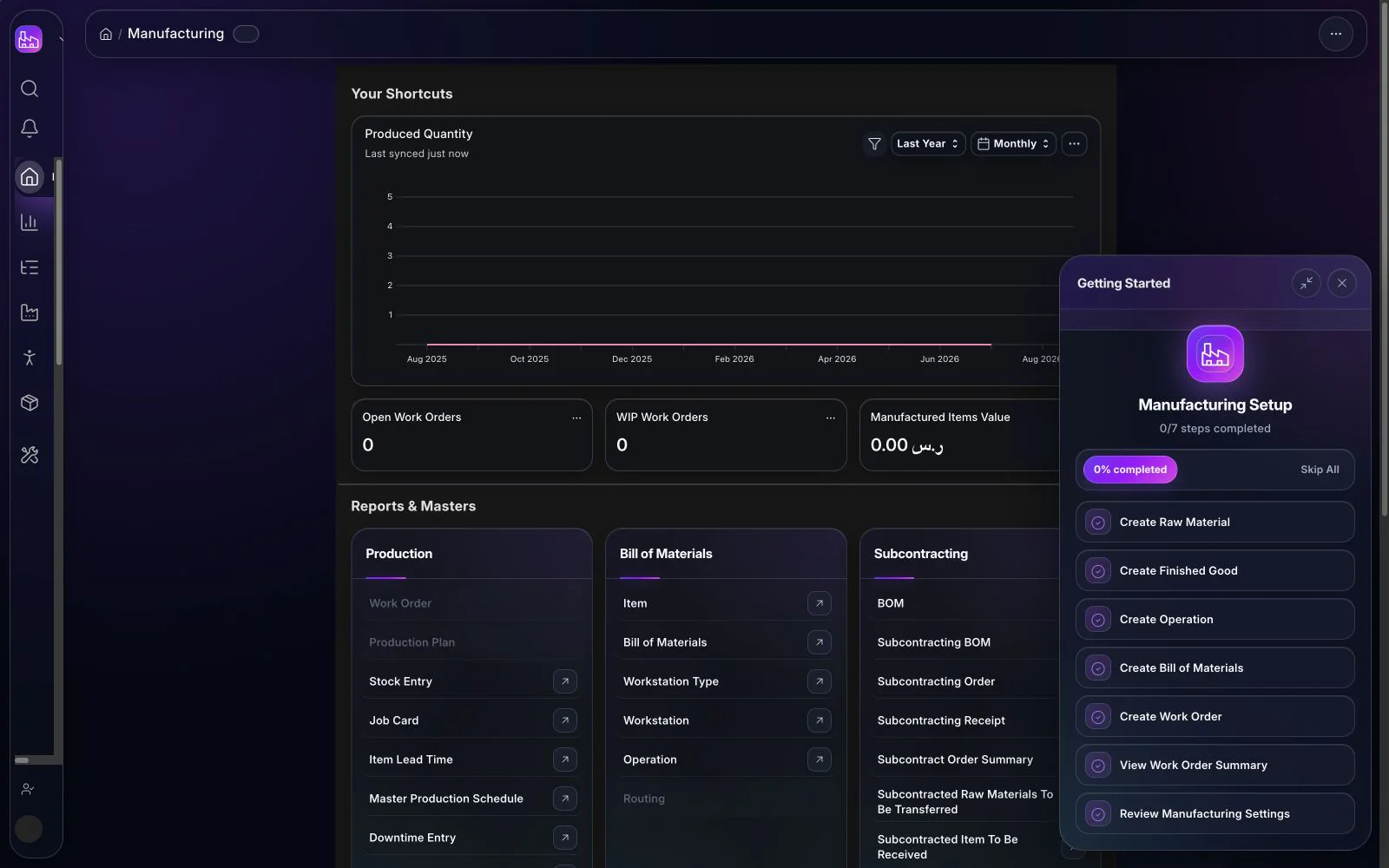
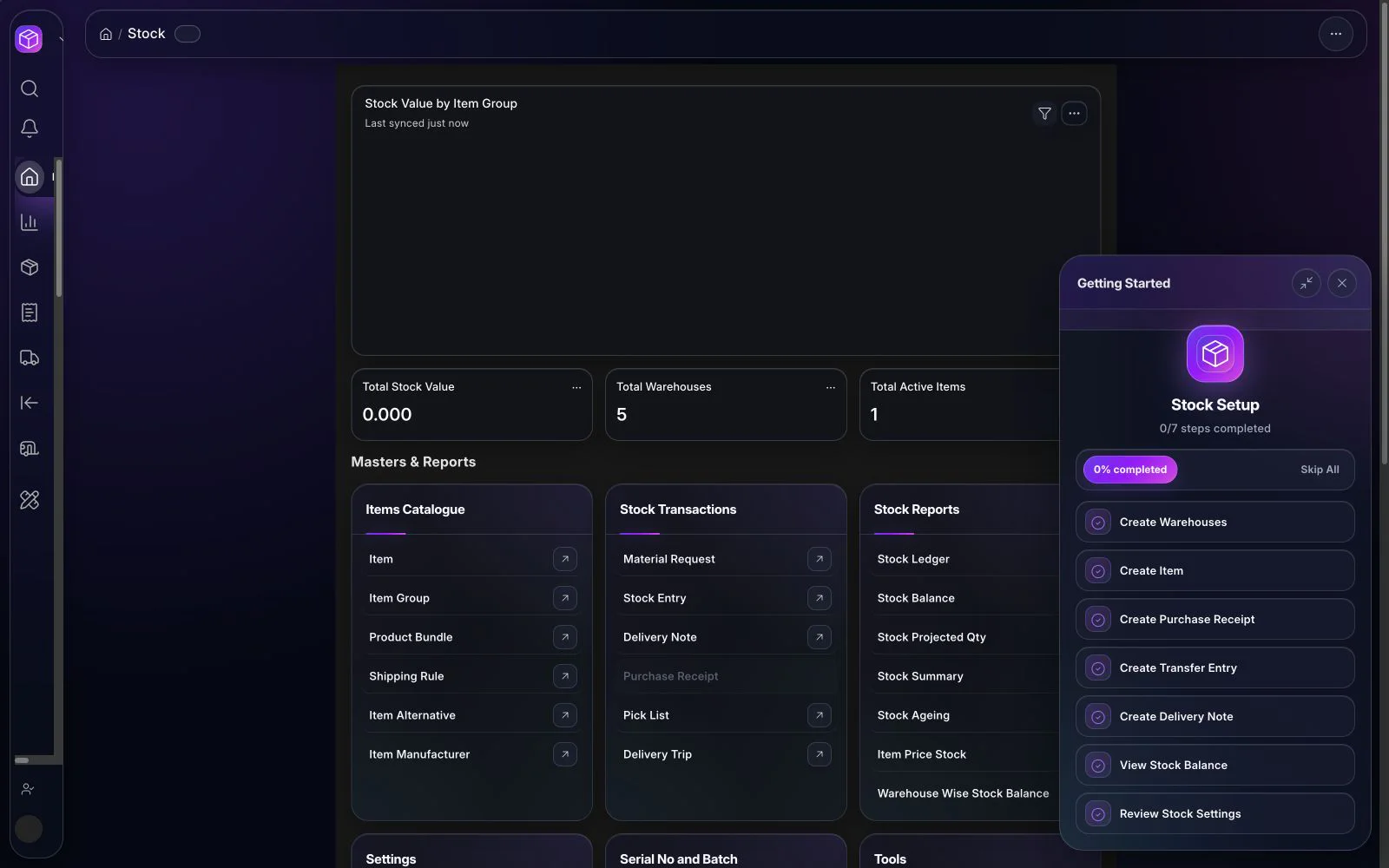
Requests do not have to be typed from scratch. The BITEX Stock workspace supports reorder levels and projected availability, so a shortage can prompt a request before stock runs out. Manufacturing plans translate demand into material requirements, and Projects can draw purchasing against project dimensions. See how stock planning works on the Inventory and Stock feature page.
| Source of need | Typical trigger | Who raises the request |
|---|---|---|
| Stock replenishment | Quantity falls toward the reorder level | Warehouse or planner |
| Production plan | Material shortage for a work order | Production planner |
| Project work | Items needed for a project task | Project manager |
| Department need | Office, maintenance or service supplies | Department head |
Approvals and visibility
Because BITEX supports workflow automation for approvals, assignments and notifications, a request can be routed to the right approver instead of travelling by chat. Once approved, the buyer sees a clear list of pending needs. Everyone can see which requests are open, which have turned into quotations and which are fully ordered.
Keep the request and the purchase order connected. When the order refers back to the request, receipts and supplier invoices can be traced to the original need. The Purchasing and Procurement feature page describes this chain in more detail.
Frequently asked questions
Is a material request the same as a purchase order?
No. A request is an internal statement of need. A purchase order is the commercial commitment sent to a supplier.
Can one request cover several items?
Yes. A request can list multiple items, and the buyer can then source them from different suppliers.
Should small purchases also have a request?
That is a policy decision for each company. Consistent records make reviews easier, but approval levels can be set to match the value and type of the purchase.
Next step
In the next part of this series we compare supplier quotations and choose a supplier with evidence. To see the request workflow in your own context, book a BITEX demo. For the manufacturing side of material planning, read BOM, Work Orders and Manufacturing Costing Explained.
Related solution: Purchasing and procurement in BITEX ERP
Procure to Pay
- 1Material Requests: Where Controlled Purchasing Begins
- 2Comparing Supplier Quotations: Choosing a Supplier with Evidence

BITEX Editorial Team
ERP product and operations specialistsThe BITEX Editorial Team turns verified product knowledge and Saudi operating experience into practical guidance for finance and operations leaders.